
Barndominium Permits & Approvals in Idaho
Getting a barndominium approved in Idaho usually means three offices, in this order: the county or city planning office for zoning, the public health district for the septic system where there is no sewer, and the building department for the building permit where the city or county runs a building program. We handle the permit applications for your barndominium: we confirm the zoning and who has jurisdiction first, prepare the plan set to the Idaho residential code and your site's design criteria, and submit each application with what that office needs.
Who Permits a Barndominium in Idaho
Idaho adopts one residential code for the state, the Idaho residential code, but enforcement is local. State law says the cities and counties that issue building permits and enforce building codes must adopt the state's codes, and a local government without a program may choose to start one by ordinance. So the office that permits and inspects your house is the building department of your city, or of your county if you are outside city limits and the county runs a program. The first job is finding out which one serves your parcel.
The same law gives each local jurisdiction the power to amend the design criteria section of the code, which is where the ground snow load and frost depth are set. That is why the plan set for a barndominium near Twin Falls and one in a mountain valley are drawn to different numbers, and why we confirm them with the building department before the frame is designed.
Two things do not change from county to county. A barndominium with a place to live, sleep or cook in it is not an agricultural building, whatever it looks like from the road. And off sewer, the septic system is evaluated and permitted by the public health district for your county under the state's subsurface sewage rules, while every well is permitted by the Idaho Department of Water Resources before it is drilled. Where a county has no building program there is no local building permit or building inspection, but electrical, plumbing and HVAC work still needs permits and inspections, and zoning, septic and well rules still apply.
Permitting & Approvals: how the work runs
Four stages, in this order. The sequence matters more than it looks: settling the zoning, the septic site evaluation, the snow load and the building permit before anything is fabricated is what keeps an Idaho build from stalling.
Zoning and jurisdiction
We confirm the parcel's zoning with the county or city planning office, whether a dwelling is allowed and on what lot size, and which building department, if any, issues permits for the address. Where the use needs a zoning approval, that comes first.
Septic site evaluation and permit
Off sewer, the public health district for your county evaluates the site, sets where the drainfield can go and issues the septic permit. The well is permitted separately by the Idaho Department of Water Resources and drilled by a licensed driller you hire.
Plan set to the site criteria
We prepare the plan set to the Idaho residential code, with the ground snow load and frost depth the building department sets for the site, and the frame drawings stamped by the manufacturer's professional engineer.
Building permit and inspections
We submit the building permit application where the city or county runs a building program, answer plan-review comments, and schedule the inspections through to the final.
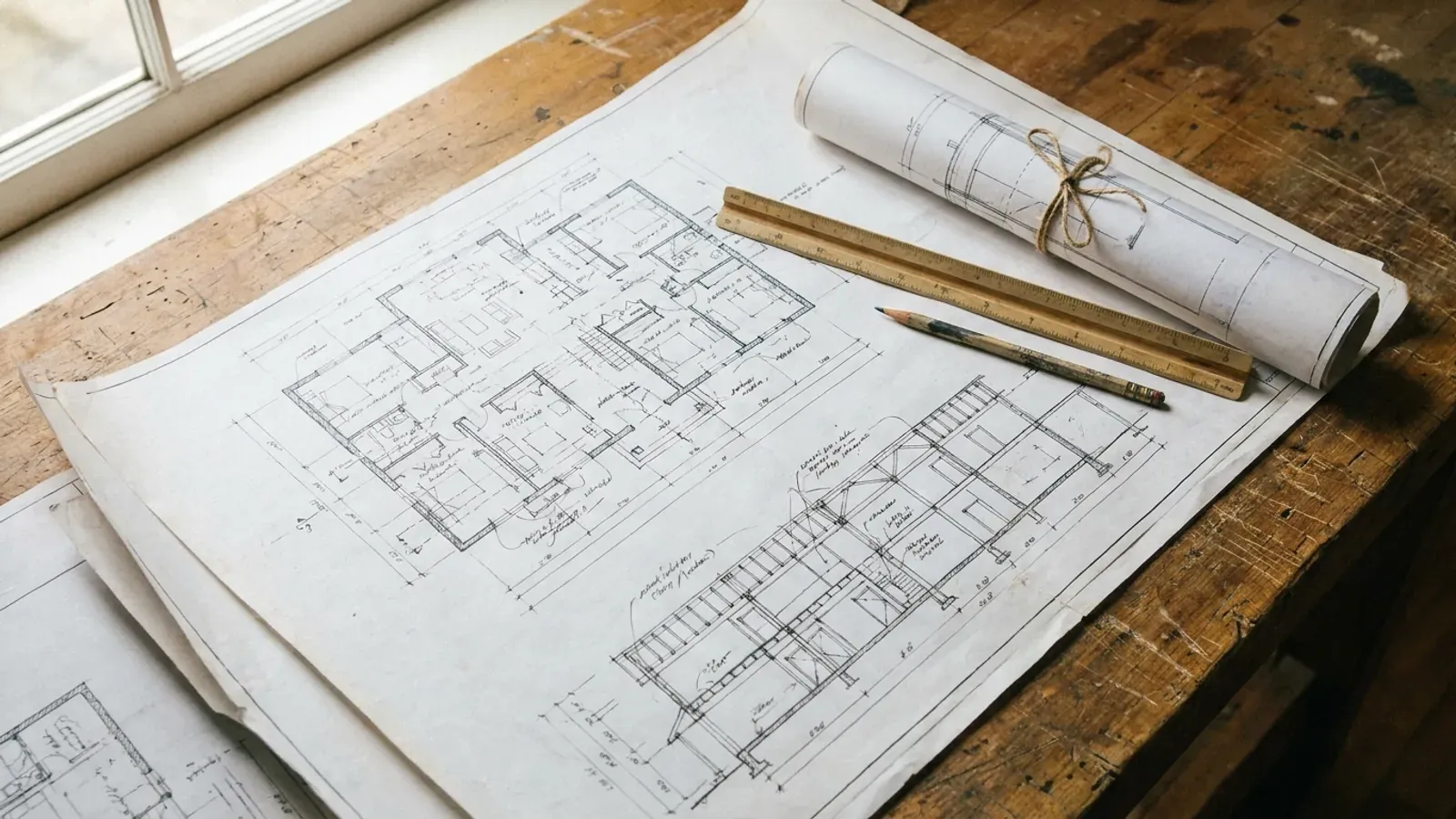
One state code, enforced by your city or county
Idaho law has local governments that issue building permits adopt the state's residential code, lets each of them set its own design criteria, and lets a local government without a building program choose to start one. Septic permits come from the public health district for your county and well permits from the Idaho Department of Water Resources. We line up all three before a frame is ordered.
Where we deliver permitting & approvals
In Idaho the line that matters is usually a city limit. Inside one, the city zones the land and, where it runs a building program, issues the permit. Outside one, the county zones the land and, if it runs a building program, permits and inspects the house. What changes from place to place is the zoning, the snow load and frost depth the local building department sets, which of the seven public health districts evaluates and permits the septic system, and whether irrigation ditches cross the parcel.
Barndominium builders across Idaho.
Every city and county in Idaho has its own answer on zoning, permits, snow load and septic. The service area pages set out what each one publishes.
What actually decides the price
Square footage is the number everyone leads with, and it is rarely the one that moves a barndominium budget. These four do.
-
Zoning approvals
A parcel where a dwelling is allowed outright moves quickly. One that needs a variance, a conditional use or a lot split adds a public hearing process and months to the schedule.
-
Septic evaluation outcome
The health district's site evaluation decides the system type. A difficult site with shallow groundwater or poor soil can need an alternative system, which changes both the permit and the budget.
-
Permit and impact fees
Building permit fees, plan-review fees and, in some cities and counties, impact fees are set locally. They vary a great deal between jurisdictions, so we check the fee schedule for your parcel.
-
Plan-review rounds
A complete plan set with the site's design criteria and the stamped frame drawings usually clears plan review in fewer rounds. Every round of comments adds time before a permit is issued.
Permitting & Approvals in Idaho: common questions
8 questions we get asked most often about building in Idaho. If yours is not on the list, ask it directly.
Do I need a building permit for a barndominium in Idaho?
Who issues building permits in Idaho?
Is a barndominium exempt as an agricultural building?
Who permits the septic system?
Do I need a permit to drill a well?
What snow load do the plans have to meet?
Can a county say no to a barndominium?
How long do barndominium permits take in Idaho?
Sources
- Idaho Code 39-4116, local adoption and enforcement of building codes — Idaho Legislature
- Idaho Code 39-4109, application of codes (Idaho residential code) — Idaho Legislature
- Idaho Code 67-6511, zoning ordinance — Idaho Legislature
- Septic and Septage — Idaho Department of Environmental Quality
- Wells Overview — Idaho Department of Water Resources
Keep reading
The pages that answer the next question this one raises.
Ready to put permitting & approvals against a real plan? Start there and the rest follows.
Tell us about the land
Tell us where the parcel is and what you want on it, and we will come back with who has jurisdiction, what the land needs before it can be built on, and a realistic budget range. Starting the survey costs nothing.