Barndominium Builders in Twin Falls County, Idaho
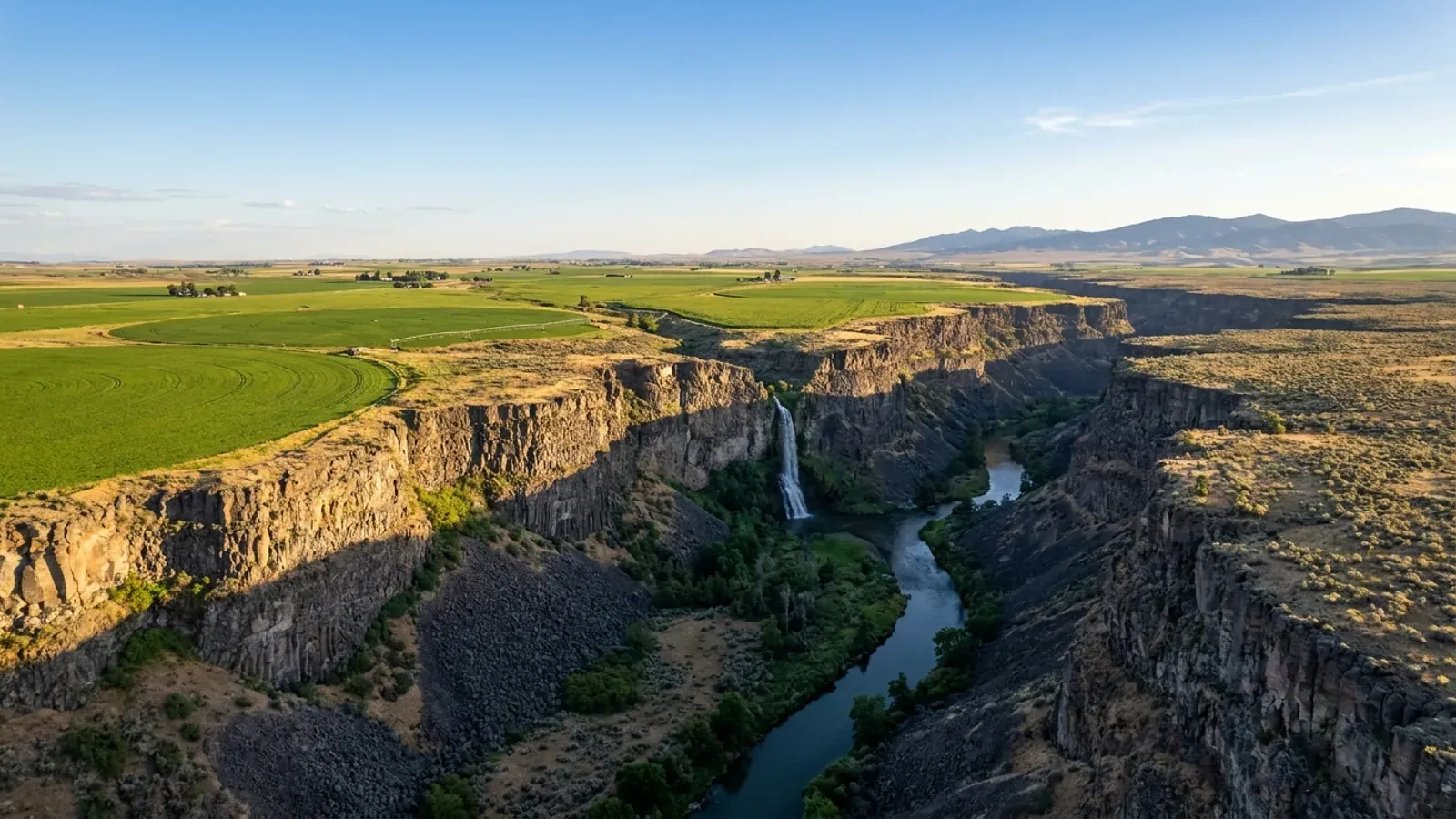
Rural Twin Falls County is irrigated farm country: canal-fed fields, dairies and hay ground between Buhl, Filer, Kimberly and Hansen, with the Snake River canyon cutting along the north edge. That makes it good ground for a barndominium with a working shop, a horse barn or room for equipment, and the county runs a full building department, so the house is plan-reviewed and inspected like any other new home. The first questions on any parcel are its zone, whether a canal or lateral crosses it, how many water shares come with it and how close it sits to the canyon rim. Barndominium kits suit owners who plan to put up the shell with their own crew; a pole barn home makes the most of a wide clear span for machinery; and a turnkey build suits buyers who want one team from the site work to the keys. If you would rather build on a city lot with sewer, see our Twin Falls page. Send the parcel number through the survey and we will check the zone, the easements and the septic route before any plan is drawn.
Twin Falls County at a glance
- County
- Twin Falls County
- Building permit
- County building department
- Land use
- County agricultural and rural zoning
- Wastewater
- Septic permit: Public Health District
Barndominium Kits and Plans for Twin Falls County
The parcel decides the budget more than the floor area does, so each option is priced against your land rather than a rate card.
Barndominium Kits
Barndominium kits for sale in Idaho: steel and pole barn shell kits sized to the snow load your building department sets, with honest help on kit prices.
Custom Plans
Custom barndominium plans for Idaho land, drawn around your site, snow load and zoning, and the Idaho residential code your building department enforces.
Pole Barn Homes near Twin Falls County
A pole barn home sets its frame on posts and trusses (the engineering term is post-frame), which often suits a simple, wide layout with a shop bay under the same roof. Whether it fits your parcel comes down to the zoning and the site, set out below.
Metal Building Homes and Shop Houses in Twin Falls County
A steel frame, or a shop with living quarters under the same roof: choose the structure first, then check it against the zoning below.
Metal Homes
Metal building homes in Idaho, finished as real houses: insulated for long winters, detailed against condensation, and clad for wildfire country.
Shouses
Shop houses in Idaho: a heated working shop and a home under one roof, planned around your zoning, snow load and the residential code.
Steel Construction
Steel and metal building construction in Idaho: red-iron frames and steel building kits for barndominiums, sized to your site's snow load.
Permits, Zoning and Septic in Twin Falls County
The building permit, the zoning and the septic permit can come from three different offices. Here is who decides each part in Twin Falls County, taken from the office or document that publishes it. Rules change, so check them again against your parcel before anything is drawn.
Twin Falls County Building Department, Community Development Services
The county Building Department, part of Community Development Services, handles construction within the county's own jurisdiction, the unincorporated land, with plan review and building and mechanical inspections under the Idaho Residential Code and the state's energy code. A city that runs its own building department, as Twin Falls does, permits inside its limits, so confirm which side of a city line the parcel sits on.
Source: Community Development Services, Twin Falls County (twinfallscounty.org)
Twin Falls County Planning and Zoning Department
The county's own application forms sort rural land into Rural Residential, an Ag Zone it labels the 40-acre zone and Ag Preservation, labelled the 160-acre zone; a smaller parcel needs a county P&Z approval on file. Land on the Snake River canyon rim carries a rim setback, and reducing it takes an application with a geological impact study by an engineer and a recorded liability waiver.
Source: Canyon Rim Setback Application, Twin Falls County Community Development Services (twinfallscounty.org)
South Central Public Health District
Twin Falls County is served by South Central Public Health District. Its Environmental Health Specialists take the septic application and permit the new system, and they also run the site reviews that lift sanitary restrictions on subdivision lots, so check a platted lot's restriction status before you buy.
Source: Land Development, South Central Public Health District (phd5.idaho.gov)
- County design criteria
- Twin Falls County's building permit design criteria set a ground snow load of 30 psf and a frost line 24 inches below finished grade, presume a soil bearing pressure of 1,500 psf unless a soils investigation is provided, and require engineering design for foundation walls over 9 feet (read 27 Sep 2026).
- Splitting a parcel
- The county's administrative land division application asks for comment letters from the canal company or irrigation district on water shares, from South Central Public Health District on septic, and from the highway and fire districts on access, plus a notarized waiver of nuisance attached to the new deeds (form read 27 Sep 2026).
Source: Building Permit Information, Twin Falls County (twinfallscounty.org)
Source: Land Division Application (Administrative), Twin Falls County Community Development Services (twinfallscounty.org)
Building on land near Twin Falls County
A rural parcel here is judged as much by its water as its soil. Ask how many canal shares transfer with the deed, where the head gate sits and who cleans the lateral each spring. A ditch that crosses the ground stays the ditch owner's corridor: no slab, fence or planting goes in it without that owner's signature on paper. Dairies and feedlots are part of the landscape, and a farm that was here first keeps its protection against nuisance complaints under the state's right-to-farm statute, so visit on a warm afternoon before you buy. Rim parcels near the canyon offer the views and the setback questions. Drilling a household well begins with an IDWR permit, and the septic site evaluation should come before the house is placed.
Other places in this part of Idaho
Twin Falls & the Magic Valley
- Twin Falls
- Jerome
- Burley
- Hailey
- Twin Falls County
- Jerome County
- Cassia County
- Blaine County
Have land in or near Twin Falls County? Tell us about the parcel and what you want on it, and we will check it against the local rules before anything is drawn.
Building in Twin Falls County: questions
Start the surveyHow much does it cost to build a barndominium in Twin Falls County?
Do I need a building permit for a barndominium in Twin Falls County?
How much land do I need for a barndominium in rural Twin Falls County?
Can I build a barndominium near the Snake River canyon rim?
Keep reading
What usually comes next once you know what Twin Falls County allows.
Barndominium Cost Guide
Sourced per-square-foot ranges by tier and size, and what moves the number on your land.
Read itIs a Barndominium Legal in Idaho?
Zoning, septic and who issues the permit, before you buy the land.
Read itHow Long Does It Take?
From parcel to move-in, and which steps set the clock.
Read itSources for this page
The published pages behind the Twin Falls County facts above. Rules change, so check the current version with the office before you rely on it.
- Community Development Services, Twin Falls CountyBuilding permit authoritytwinfallscounty.org
- Canyon Rim Setback Application, Twin Falls County Community Development ServicesLand use and zoningtwinfallscounty.org
- Land Development, South Central Public Health DistrictSewer or septicphd5.idaho.gov
- Building Permit Information, Twin Falls CountyCounty design criteriatwinfallscounty.org
- Land Division Application (Administrative), Twin Falls County Community Development ServicesSplitting a parceltwinfallscounty.org
Other places near Twin Falls County
Nearby places with their own pages. Across a city limit or a county line the permit office, the zoning and the septic rules can change, so each is covered separately.
Building in Twin Falls County?
Start with the survey. Tell us where the land is and what you want on it, and we will come back with which offices decide it, what the zoning allows, and a plan to fit.